Galvanizing head
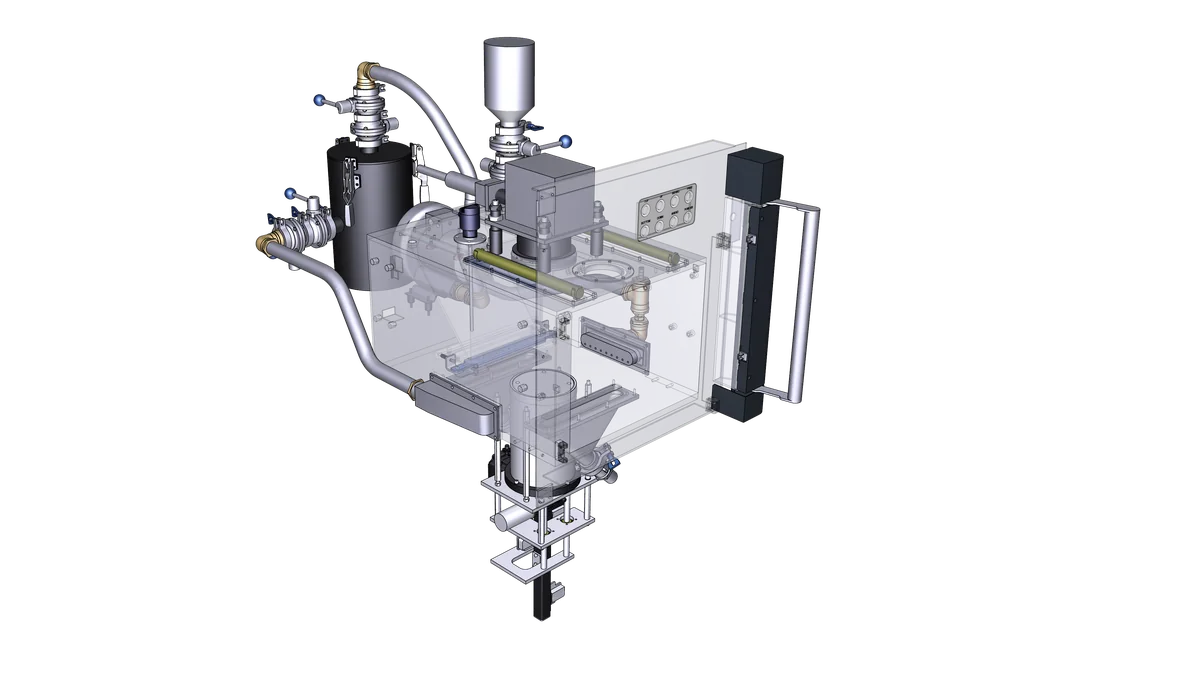
A pair of mirrors direct the beam onto the powder bed, selectively melting the indicated areas.


The benchmark in its category
A 300W LPBF machine compact enough for use in a shop floor, laboratory, or office. It fits through a standard doorway, operates on single-phase household current, and consumes about the same amount of power as an electric iron.

None of this is in an image or a PDF. It's in HTML, so you can copy, compare, and paste it into your report.
| Laser power | 300 W |
| Wavelength | 1080 nm |
| Print volume | Ø200 × 250 mm |
| Layer thickness | 20–100 µm |
| Spot diameter | ≈ 75 µm * |
| Scan speed | 2 m/s |
| Filtration unit | Simple |
| Shielding gas | Argon or nitrogen |
| Oxygen in chamber | < 1000 ppm |
| Power supply | 230 V · 50–60 Hz · 2.7 kW |
| Dimensions | 730 × 1550 × 1850 mm |
| Equipment weight | 800 kg |
| Software | SamyStudio, slicing and control integrated into the machine |
| Certifications | CE and ATEX |
| Manufacturing | Spain |
Open parameterization: You can use powder from different manufacturers, develop your own material parameter sets, and take them with you. Medical-grade aluminium and titanium are available. The alloys in the catalogue are machine-processed, which is not the same as having a fixed, guaranteed set of parameters for any geometry: that's adjusted for each application.
The three dimensioned views, exactly as they appear in our technical catalog. No form required.

The correct dimensions are those in the catalog table, confirmed by Samylabs: 730 × 1550 × 1850 mm. The drawing labels 1500 and 1800 because it rounds; to reserve the opening in the floor plan, the reference is the table.
Half of the projects that get delayed aren't delayed by the machine: they're delayed by the meeting room. Here's the list, so you have it sorted out before signing, not after.

730 mm front
It fits through a standard 800mm doorway. Measure the entire path, not just the front door: corridors, turns, elevator, and headroom. Discovering this on delivery day means a crane.
230 V single-phase · 50–60 Hz · 2.7 kW
It plugs in: no three-phase power or electrical work required. What you do need to check is that the electrical panel can handle the combined load of the machine, the post-processing oven, the compressor, and the air conditioning.
Argon or nitrogen
Bottle, battery with ramp, or tank, depending on consumption. And one thing that's always forgotten: argon displaces oxygen, so the room needs ventilation and, depending on the installation and local regulations, oxygen detection.
800 kg on 730 mm × 1550 mm
Level, with load capacity and no vibrations nearby—not from a press, an overhead crane, or a forklift unloading. And space all around, not just underneath: it needs to be possible to open it, remove the tank, change filters, and allow the technician to enter.
A separate surface
Load, unload, sieve, and store, using dedicated vacuuming—not a shop floor vacuum—and in a closed, dry, and labeled storage area. With titanium or aluminium, all of this falls under ATEX regulations.
A site and a procedure
The process generates metallic fumes and condensates that remain in the filters. It's essential to have a place to change them and a designated disposal site for the residue, which, with reactive alloys, is hazardous waste.
Stable temperature and humidity
A cleanroom isn't necessary; what's needed is to prevent grinding powder from falling into the vat. Humidity spoils the powder, and spoiled powder spoils the workpieces. And the machine heats up the room: if the shop floor is already struggling in the summer, expect that.
Post-processing and people
single LPBF machine doesn't deliver parts: it requires a stress-relieving furnace, a cutting tool to separate the machine from the platform, a bench for removing supports, and access to machining equipment. And someone responsible for the machine, trained, preferably two.
This is the short version. The long version, with the nine questions to take to the maintenance meeting, is in what's needed in your shop floor. And if you'd prefer to review it with someone who has done the installation before, write to us.
The same machine with the sides removed. On the left, the manufacturing chamber with its door open and the two gloves; this is where work is done without opening the circuit. Above, the powder hopper, the dosing system, and the gas circuit with its valves. On the right, the filter and the blower that circulates the gas. Below, the collection bottles and the control cabinet with its electronics.
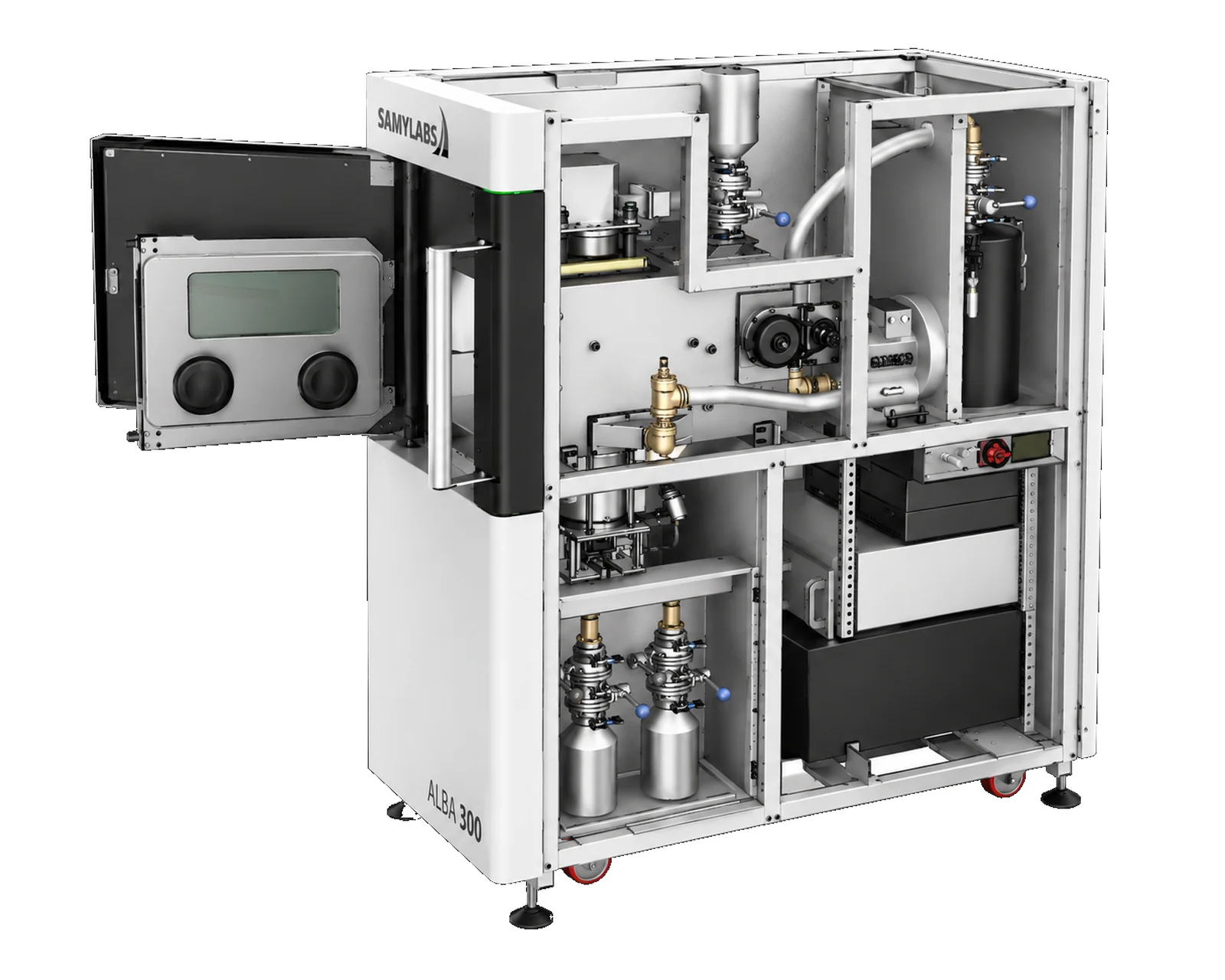
The cutout does not color circuits: it colors ATEX zones. Orange indicates Zone 21, green indicates Zone 22.

This isn't an illustration: it's the volume classification required for a prevention plan. It's what allows you to choose the surrounding equipment and draft the explosion protection document without having to classify the machine yourself. What each zone means and what it requires is explained in ATEX and reactive powders. The same cut of the ALBA 500 has two filters instead of one.
Including the laser cooling system, which in other machines is in a separate cabinet.
A pair of mirrors direct the beam onto the powder bed, selectively melting the indicated areas.
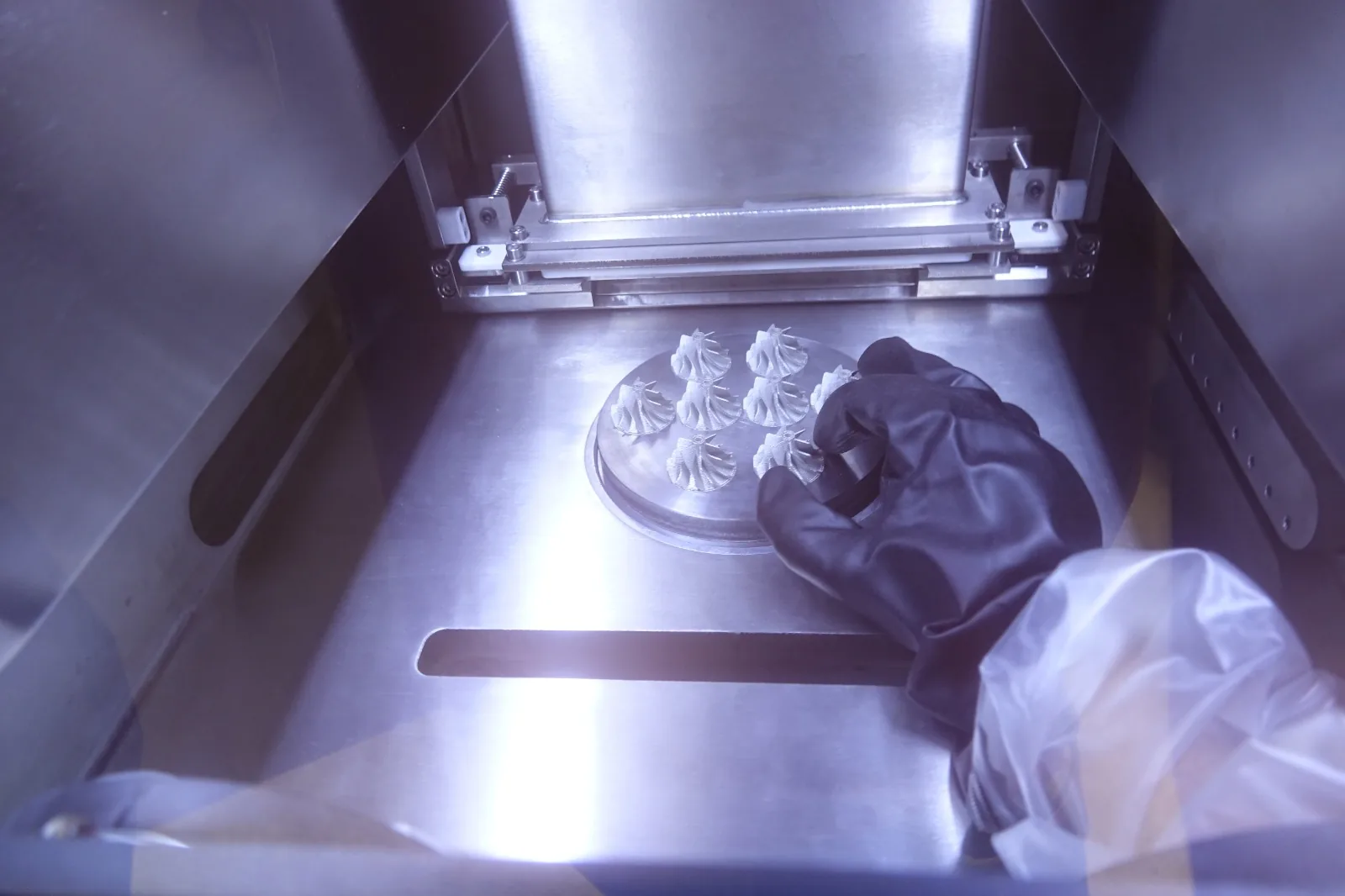
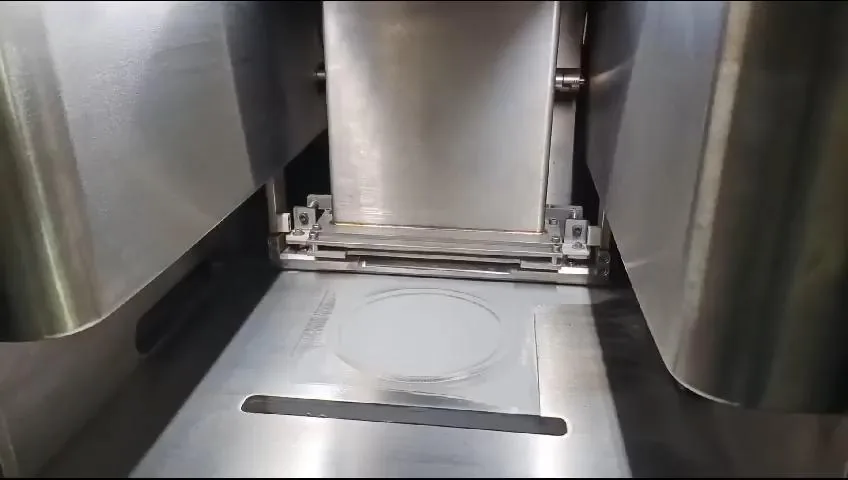
Stainless steel, double safety door with gloves and oxygen below 1000 ppm.
Spread the metal powder in thin, even layers before each laser sweep.
The platform lowers the thickness of one layer after each pass, until the part is complete.
Gas blades that sweep and filter splashes, with an argon or nitrogen recirculation motor.
High-quality optical path that guarantees a stable and uniform spot throughout the entire build.
Industrial PC with touch screen and vandal-proof keyboard, running SamyStudio on the machine itself.
Integrated within the casing. No external equipment or additional installation is required.
Including the laser cooling system, which in other machines is in a separate cabinet.
The ALBA 300 is operated by SamyStudio, our own slicing and control engine. It runs on the machine's own industrial PC, so a job can be prepared without a separate workstation, and leaves all process parameters open: power, speed, layer thickness, and infill strategy are adjusted and saved as your own parameter set.
Around it is the rest of the ecosystem: the Garbi screen to recover the powder without opening the circuit or exposing oneself to the material, and the alloys of the materials catalog, which is a starting point and not a cage.
All of this was developed at home, which is why it can be touched.
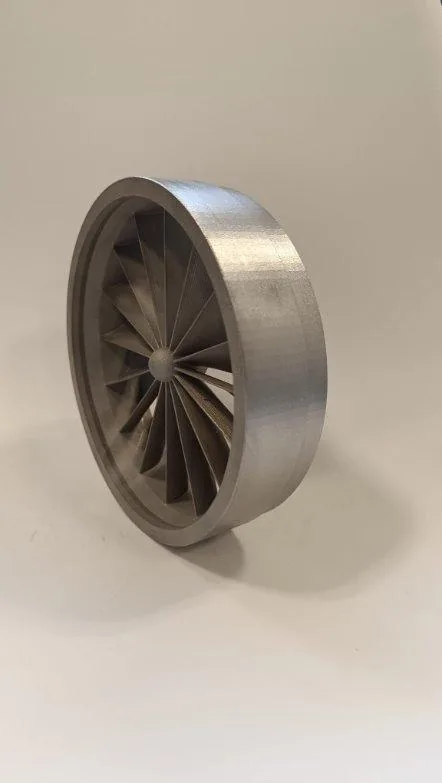
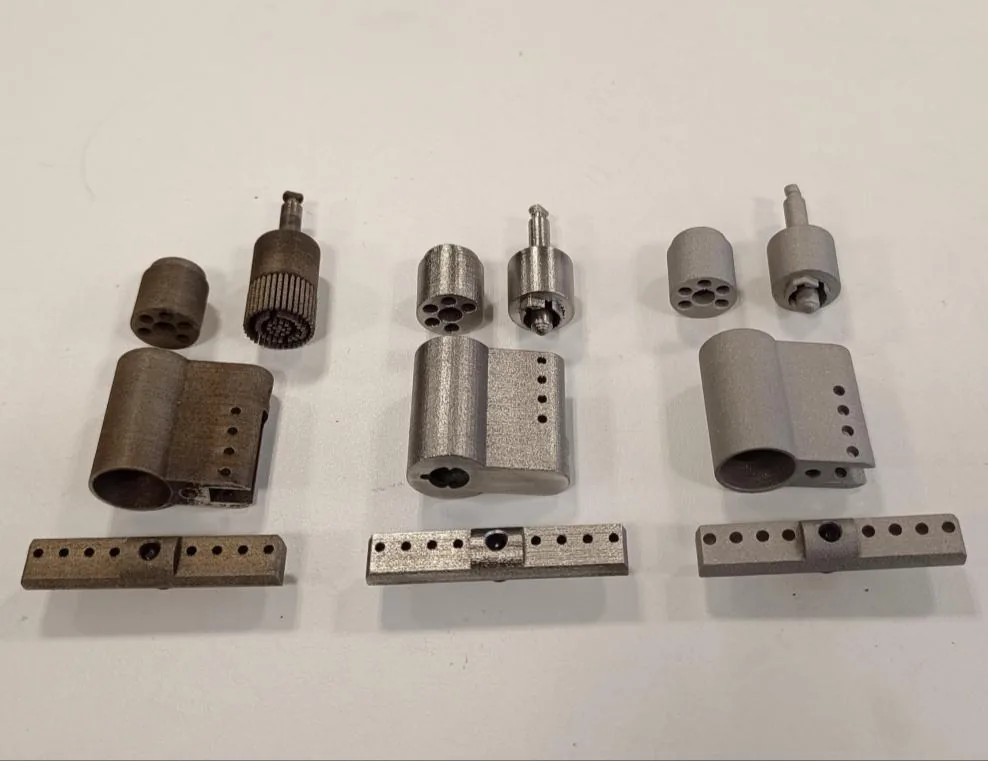
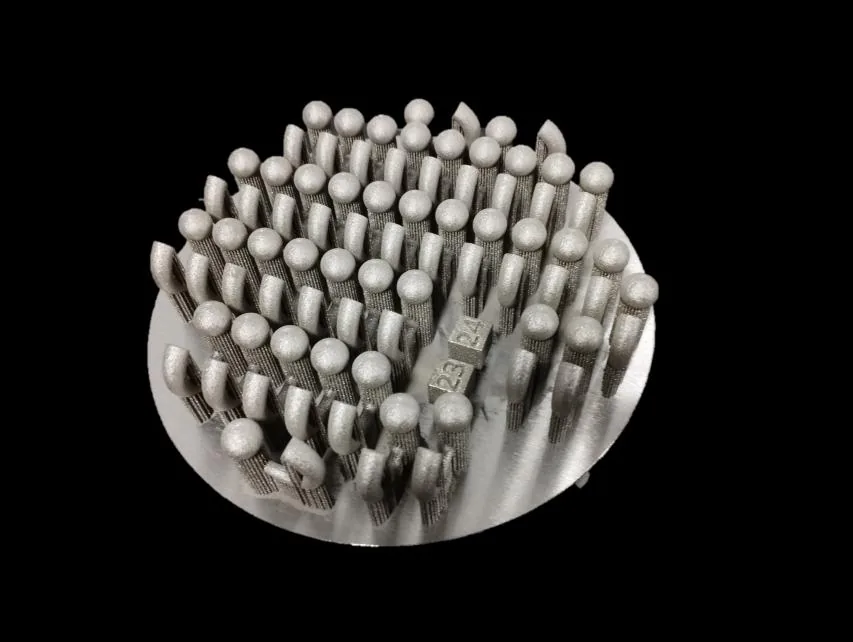
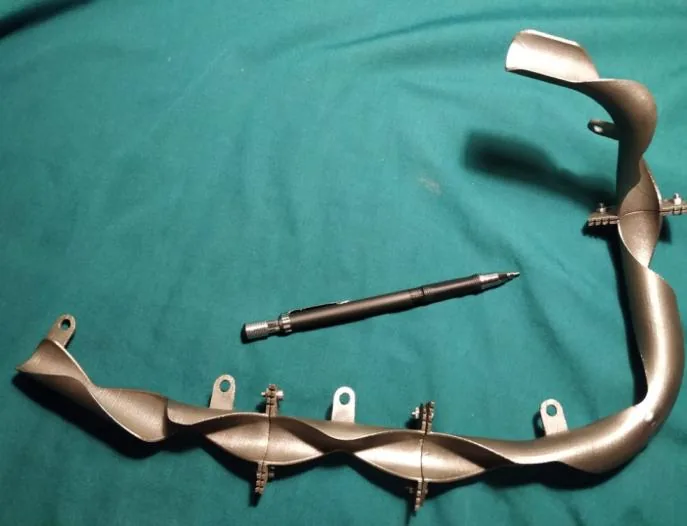
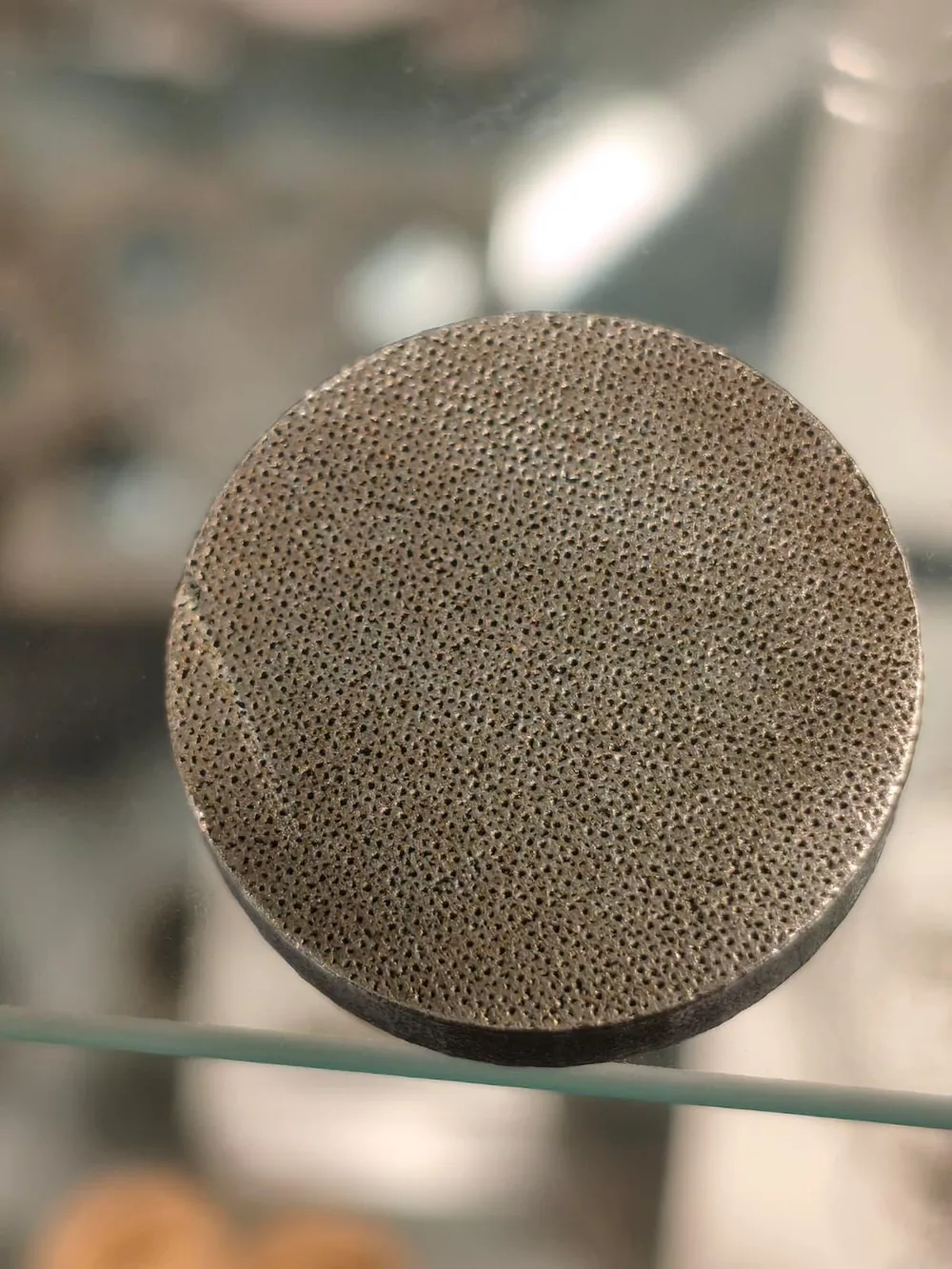
No technical data sheet answers the question that really matters, which isn't whether the machine works, but whether it works for your part. That can only be answered by printing it.
Request your sessionThat's what everyone wonders when they see this machine.